Actual Ground Measurements for Accurate Perimeter Fencing Quotations

Why Actual Ground Measurements Matter in Accurate Perimeter Fencing Quotations

When pricing perimeter fencing, one of the most common—and most expensive—mistakes is relying on land acreage alone. While acreage tells you how large a property is, it does not tell you how long the boundary is. For perimeter fencing, the true cost driver is the boundary length, and this can only be determined through actual measurements on the ground.

Same Acreage, Different Perimeters

Take a 12-acre parcel of land as an example. If the land is square, it encloses the maximum area with the shortest possible perimeter. If the same 12 acres are arranged in a rectangular or elongated form, the perimeter becomes longer—sometimes substantially so. Two properties with identical acreage can therefore attract very different fencing costs simply due to boundary configuration.

Why Acreage-Based Pricing Leads to Inaccurate Quotations

Perimeter fencing costs scale directly with boundary length. Every additional metre increases the quantity of posts, fencing material, concrete, labour, and installation time required. Quoting based on acreage alone often results in under-pricing, cost variations, disputes, or project delays once real conditions are encountered on site.

Material Choice Does Not Eliminate the Need for Measurement

Whether a project uses concrete, wooden, or metal posts, barbed wire, high-tensile wire, chain link, electric fencing, or any other system, the cost still depends on how many metres must be fenced. Accurate perimeter measurement is also essential for fair comparison when evaluating different fencing materials and design options.

Ground Conditions Significantly Affect Cost

Beyond perimeter length, ground conditions have a major impact on pricing and can only be properly assessed through an on-site visit. Factors include:

  • Hilly or steep terrain: Requires stepped fencing, additional posts, deeper foundations, and slower installation.
  • Rocky ground: Often demands specialized tools, manual excavation, or drilling, increasing labour time and cost.
  • Swampy or waterlogged areas: May need reinforced foundations, treated posts, or alternative fencing solutions.
  • Bushy or thorny land: Clearing, access preparation, and safety measures add to labour and time.
  • Dense vegetation or forested areas: Increases clearing costs and affects material transport.
  • Irregular or unclear boundaries: May require alignment verification before installation can begin.

These factors directly influence labour intensity, installation methods, material selection, and overall project duration.

The Professional Standard: Measure, Assess, Then Quote

A reliable fencing quotation must be based on actual ground measurements combined with a physical assessment of terrain and site conditions. This professional approach ensures:

  • Accurate, defensible pricing
  • Correct material specifications
  • Realistic schedules and logistics
  • Minimal variations and disputes

Conclusion and Call to Action

Acreage tells you how much land you have. Actual measurements and ground conditions determine what your fence will truly cost. In perimeter fencing, assumptions are expensive—precision saves time, money, and relationships.

Fenken Fence & Supply offers free on-site perimeter measurement and professional fencing quotations. We assess boundary length, terrain conditions, and recommend the most suitable fencing solution—whether using wooden, metal, or concrete posts, barbed wire, chain link, electric fencing, or other perimeter systems.

Contact Fenken Fence & Supply today for a free site visit and accurate quotation. Measure first, plan properly, and fence with confidence.


Elephants standing behind-community-fence

When Elephants Wander into Our Cities: Why Electric Game Fencing Matters

A video of an elephant calmly roaming through a shopping centre may seem extraordinary—even amusing—to some. Yet behind such moments lies a serious and growing challenge: the breakdown of boundaries between human settlement and wildlife habitats. These encounters are not harmless curiosities; they are clear signs of escalating human–wildlife conflict that endangers both people and animals.

Across Kenya and much of Africa, land that once served as natural wildlife corridors and habitats has increasingly been converted into residential areas, farms, roads, and commercial centres. This transformation is driven by legitimate pressures—population growth, urban expansion, and the need for people to live and work in productive areas. However, elephants and other wildlife have not forgotten their ancestral ranges. When those ranges are disrupted without adequate containment, conflict becomes inevitable.

A herd of elephants separated from a human settlement by a Fenken electric game fence, illustrating human-wildlife coexistence.

Elephants are particularly vulnerable in this equation. They require vast spaces to roam, forage, and migrate. When they stray into human settlements, the consequences can be severe: destruction of property, loss of livelihoods, injury or loss of human life, and, tragically, retaliatory harm to the animals themselves. These outcomes benefit no one.

The solution does not lie in choosing humans over wildlife, or vice versa. It lies in thoughtful, well-planned coexistence.

Electric game fencing has proven to be one of the most effective tools for achieving this balance. Properly designed and professionally installed electric fences create clear, humane boundaries that guide elephants to remain within designated conservation areas while allowing them the freedom to live naturally within those spaces. Such fencing minimizes human–wildlife conflict, protects communities, preserves livelihoods, and safeguards wildlife populations.

Fenken Fence & Supply has been at the forefront of this effort. With extensive experience across Kenya and beyond, Fenken has successfully installed electric game fencing for national parks, game reserves, private conservancies, ranches, and farms. Each project is approached with an understanding that fencing is not merely a physical barrier—it is a critical conservation and community-protection tool.

As urban expansion continues, the need for proactive solutions has never been more urgent. Electric ring fencing around designated wildlife habitats is not a luxury; it is a necessity if we are serious about sustainable development and conservation.

Coexistence is possible—but it requires deliberate action.

If you are a conservancy, park authority, landowner, or institution seeking reliable, humane, and effective wildlife fencing solutions, now is the time to act.

Partner with Fenken Fence & Supply—your trusted fencing partner—and be part of the solution that protects people, wildlife, and the future we share

Related Articles

fenken fencing corners

🐘 Outsmarting Elephants: Why Every Fence Needs Outriggers

At Fenken Fence & Supply, we understand that keeping wildlife out—and your property protected—requires more than just strong wires and posts. It demands intelligent design.

One of the biggest challenges faced by property owners near wildlife zones, parks, or farms bordering elephant corridors is the remarkable intelligence of elephants. These giants are not only powerful; they are clever.

Over the years, elephants have learned to recognize electric fences and the shocks they deliver. But rather than giving up, they adapt. They look for a spot where the wire doesn’t run—usually the post itself—and use their strength to push or pull the fence down. Once a section collapses, the rest follows easily.

The Smart Solution: Outriggers

This is where outriggers make all the difference.

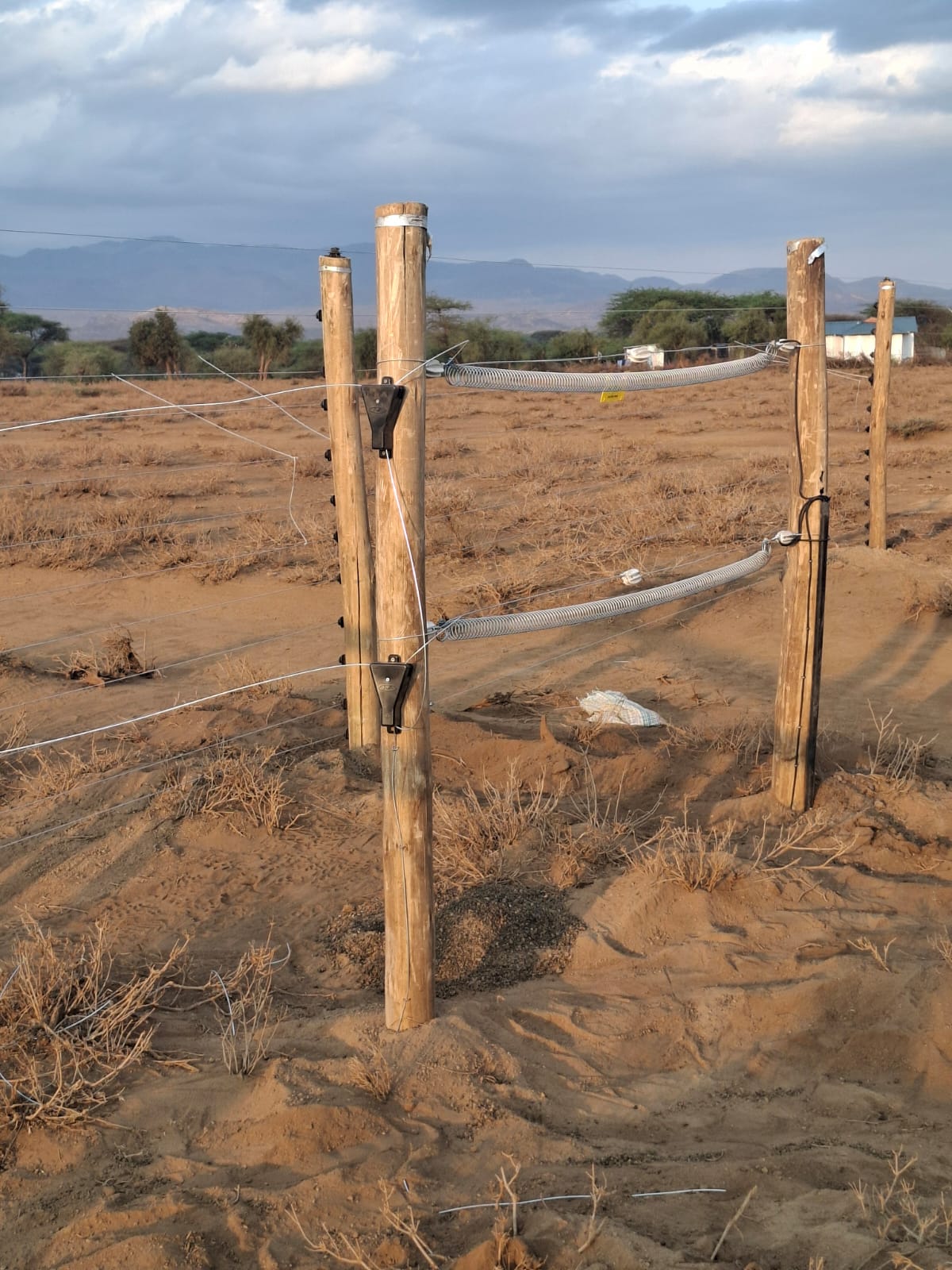
Outriggers are sturdy extensions fixed onto each fence post, carrying an electrified wire slightly away from the main fence line. Their role is simple yet crucial: to prevent elephants from finding a “safe point” on the post to attack.

When properly installed, outriggers ensure that every part of your fence is protected—posts included. This small but powerful addition transforms an ordinary electric fence into a truly effective wildlife barrier.

Why Outriggers Matter

✅ 1. Reinforced Protection
Outriggers keep the charge consistent across the entire fence, eliminating weak spots. Even the posts themselves become part of the active deterrent.

✅ 2. Reduced Maintenance Costs
By preventing elephants and other animals from breaking down fence sections, you save on expensive repairs and replacements—year after year.

✅ 3. Increased Fence Lifespan
A fence that stands firm longer protects your investment. Outriggers add structural resilience and reduce wear caused by animal interference.

✅ 4. Proven Field Performance
Our systems have been tested in some of Kenya’s toughest environments—where elephants roam freely and persistence is the norm. With Fenken’s expertise, your fence stays standing.

Fenken Fence & Supply: Experience You Can Trust

We don’t just install fences—we engineer intelligent barrier systems built to outsmart even the smartest wildlife. Our designs combine durability, innovation, and field-tested techniques like the use of outriggers on every post.

Whether you’re securing farmland, a conservancy, or residential property near wildlife zones, Fenken’s fencing solutions provide peace of mind, safety, and reliability.

Because in fencing, as in nature, intelligence wins.

🔧 Ready to Strengthen Your Fence?

Let Fenken Fence & Supply design and install a wildlife-smart fencing system tailored to your needs.
📞 Call us today or 📩 visit our website to request a free site assessment and quote.
Together, we’ll build a fence that truly thinks ahead — and stands the test of time.

Fenken Fence & Supply — Building Fences That Think Ahead.

Shielding the Fence: The Importance of a Lightning Diverter in Electric Fencing

In electric fencing, power is everything — but uncontrolled power can also be destructive. That’s why a lightning diverter (or lightning arrestor) is one of the most important yet often overlooked components of a reliable fence system.

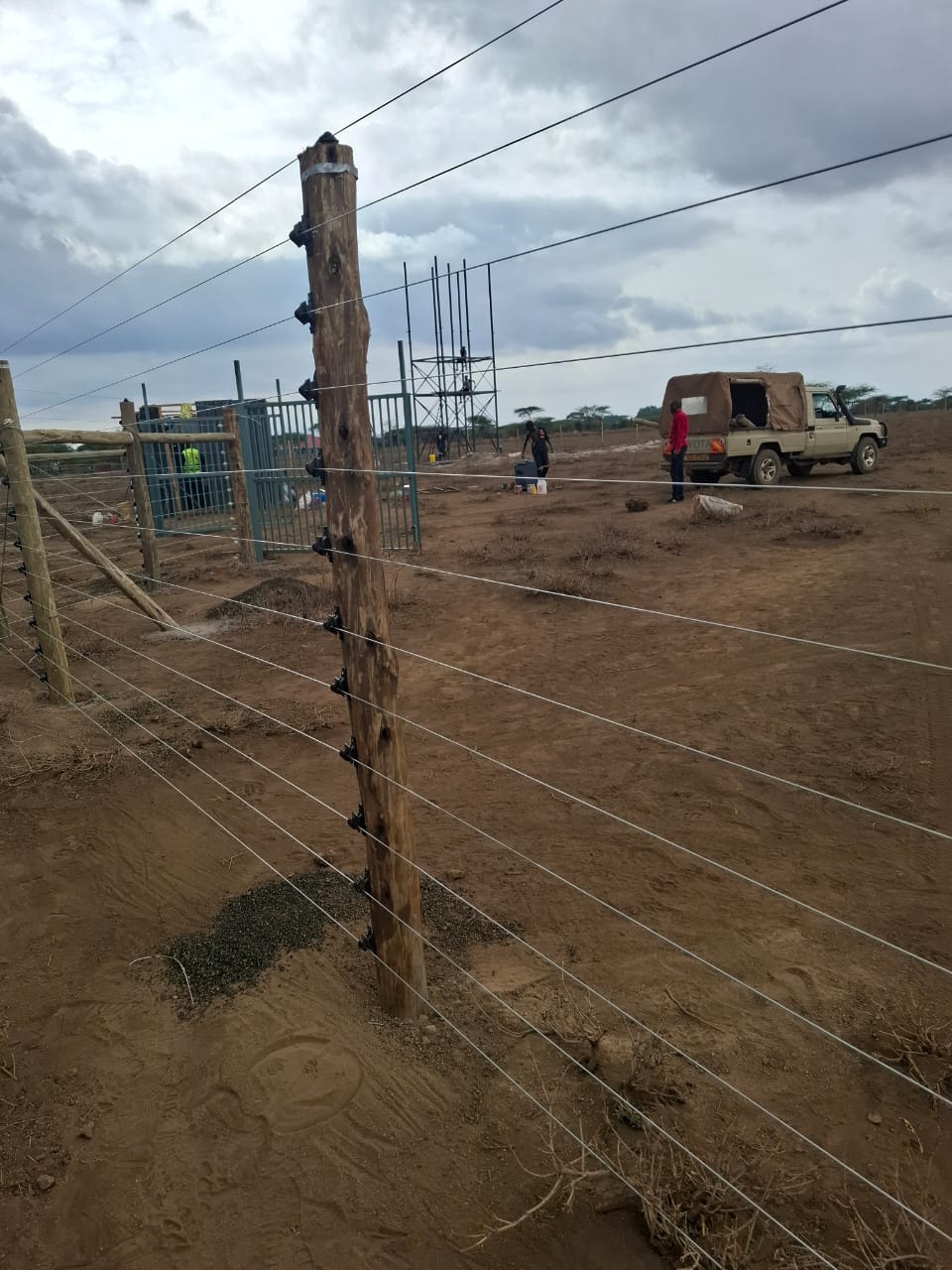
At Fenken Fence & Supply, we make it a standard practice to include lightning protection in every professional installation. Today, our technicians are in the field installing one such diverter — a small but powerful safeguard that can mean the difference between a functioning fence and a costly system failure after a storm.

What Is a Lightning Diverter?

A lightning diverter is a protective device that channels excess electrical energy — particularly from lightning strikes — safely away from the fence energizer and into the ground.

Electric fences, by their very nature, run long distances over open land. This makes them highly susceptible to lightning strikes, especially in areas like Kimana, Amboseli, Chyulu, and Loitoktok, where storms can be intense and unpredictable.

Without protection, a single lightning strike can:

Burn out the energizer (the heart of the system),

Melt fence wires or insulators, and

Cause damage to connected power systems.

How It Works

A lightning diverter acts as a safety valve between the fence line and the energizer. It’s typically installed near the energizer and connected to a dedicated earth rod.

Here’s how it functions:

  1. During normal operation, the diverter allows the energizer to send pulses along the fence as usual.
  2. When lightning strikes the fence line (or even near it), the surge travels along the wire.
  3. The diverter detects the sudden spike in voltage and instantly redirects that excess current to the ground, bypassing the energizer.

This redirection protects sensitive components from being overloaded or destroyed.

Why Every Fence Needs One

Even if lightning doesn’t strike directly, the induced electrical surge from nearby storms can be enough to damage or degrade the system over time. A properly installed diverter prevents this and ensures:

⚡ Energizer Protection: Extends the lifespan of your energizer by shielding it from sudden surges.

🌧️ System Reliability: Keeps the fence operational even after severe weather.

💰 Cost Efficiency: Saves on costly repairs or replacements caused by lightning damage.

🌍 Safety Assurance: Prevents dangerous voltage from reaching equipment or personnel near the energizer.

In regions prone to thunderstorms, installing a lightning diverter isn’t optional — it’s essential.

Fenken’s Professional Practice

At Fenken Fence & Supply, lightning protection is a standard inclusion in our installations, not an afterthought. Our technicians ensure:

  • The diverter is installed close to the energizer,
  • It is connected to a dedicated, well-earthed grounding system, and
  • All wiring is properly insulated and aligned to prevent backflow of current.

This professional approach guarantees that even in the harshest weather, your fence remains safe, effective, and durable.

In Summary

A lightning diverter may be small in size, but its role in an electric fence is massive. It protects your investment, ensures continuity, and gives you peace of mind — knowing that when the storm passes, your fence will still be standing strong.

At Fenken, we don’t just install fences — we build resilience.
Learn more about our full fencing systems and protective components at fenken.co.ke

The Smart Edge in Fencing: Understanding the Zig-Zag Wire for Alarm Response

At Fenken Fence & Supply, we believe a good fence doesn’t just stand — it thinks.
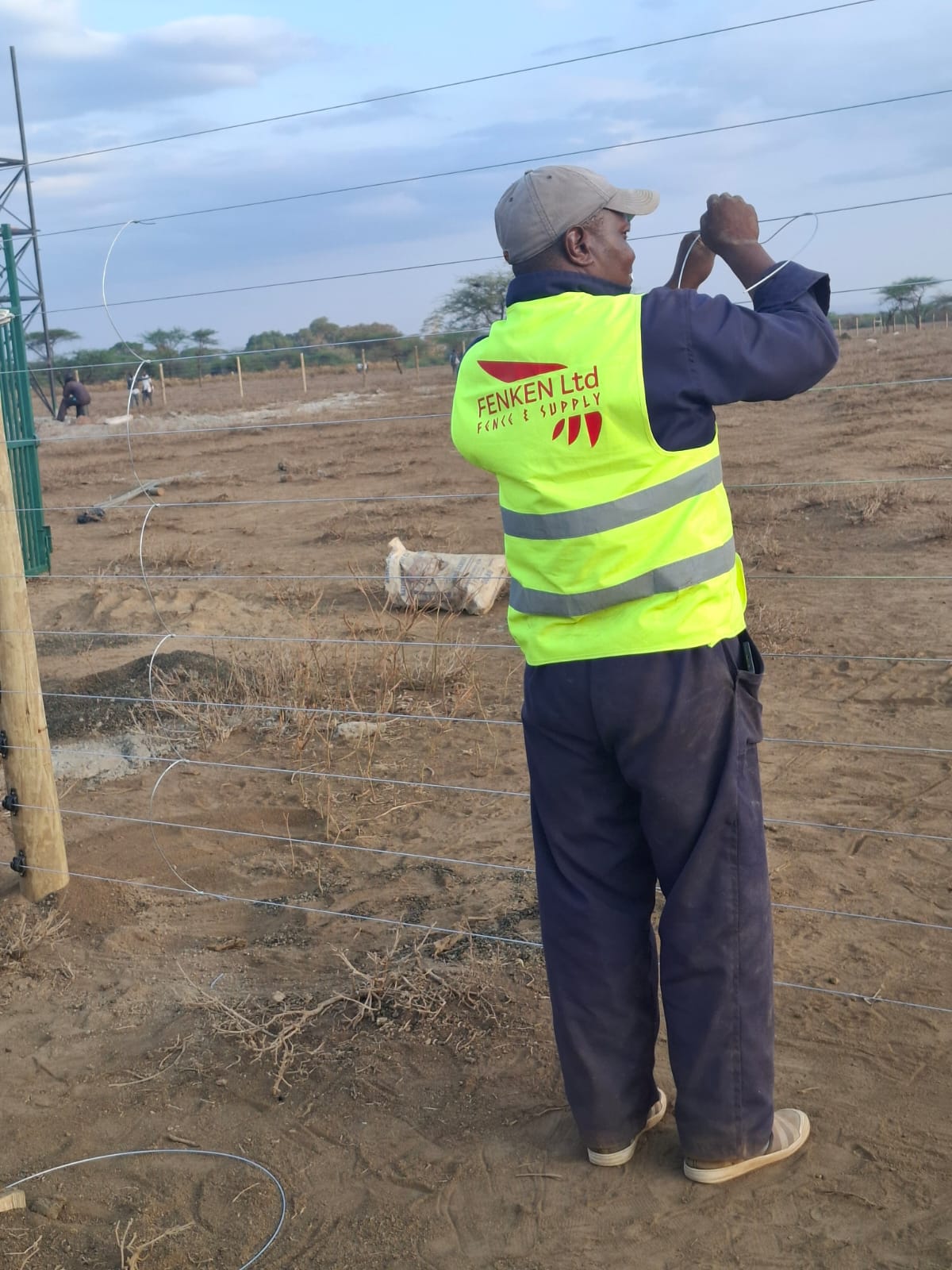
Today, our team is on-site, and in the photo above, one of our skilled technicians is installing a zig-zag wire configuration, a critical feature for modern electric fencing with alarm response capability.

This setup is what transforms a regular electric fence into a smart security system — one that not only deters intruders or wildlife but also instantly alerts owners or security personnel when tampered with.

What Is a Zig-Zag Wire?

The zig-zag wire is a clever arrangement of live and earth wires along the fence line, connected in an alternating pattern that enhances both security and sensitivity. Unlike the straight, uniform layout in standard electric fences, the zig-zag design creates multiple alternating contact points between live and earth wires, forming a responsive circuit.

When any section of the fence is cut, disconnected, or shorted, the circuit is broken. The energizer immediately detects the disturbance and triggers an alarm, activating a siren, strobe light, or sending a signal to the control unit or monitoring station.

Why the Zig-Zag Design Matters

In areas where security or wildlife management is a priority, this setup offers several advantages:

  1. Instant Alarm Response:
    Any interference — whether intentional tampering or accidental breakage — triggers a rapid alarm, ensuring swift attention and response.
  2. Improved Voltage Coverage:
    The zig-zag arrangement distributes power more evenly across the fence line, maintaining consistent voltage levels even in long stretches.
  3. Harder to Bypass:
    The irregular pattern makes it nearly impossible for intruders (or animals) to identify “safe” or non-live sections.
  4. Dual Functionality:
    It combines physical deterrence with real-time monitoring — a fence that both guards and alerts.

What It Takes to Install One

Installing a zig-zag wire system requires precision, proper insulation, and perfect alignment. The wires must be evenly spaced and tightly tensioned to maintain current flow without arcing or energy loss.

At Fenken, our technicians ensure:

  • Each wire is correctly terminated and insulated.
  • The energizer used is alarm-compatible, capable of detecting faults and sending alerts.
  • The tensioning and alignment are accurate to guarantee both strength and responsiveness.

It’s this level of attention to detail that makes a fence not only durable but intelligent.

Fenken’s Expertise

We have installed over 200 kilometres of electric fencing across Kenya — protecting farms, conservancies, and private properties. The zig-zag alarm fence is one of the advanced systems we recommend for clients seeking an extra layer of safety, especially in areas prone to intrusion or human–wildlife conflict.

Each installation is a product of experience, precision, and integrity, combining practical field expertise with cutting-edge technology.

In Summary

The zig-zag wire system represents the next step in electric fencing — a fusion of engineering and intelligence. It’s a reminder that security today is not just about building barriers, but about building awareness and response.

At Fenken, we continue to innovate and deliver solutions that protect property, promote safety, and give our clients peace of mind.

Learn more about our fencing systems and installations at fenken.co.ke