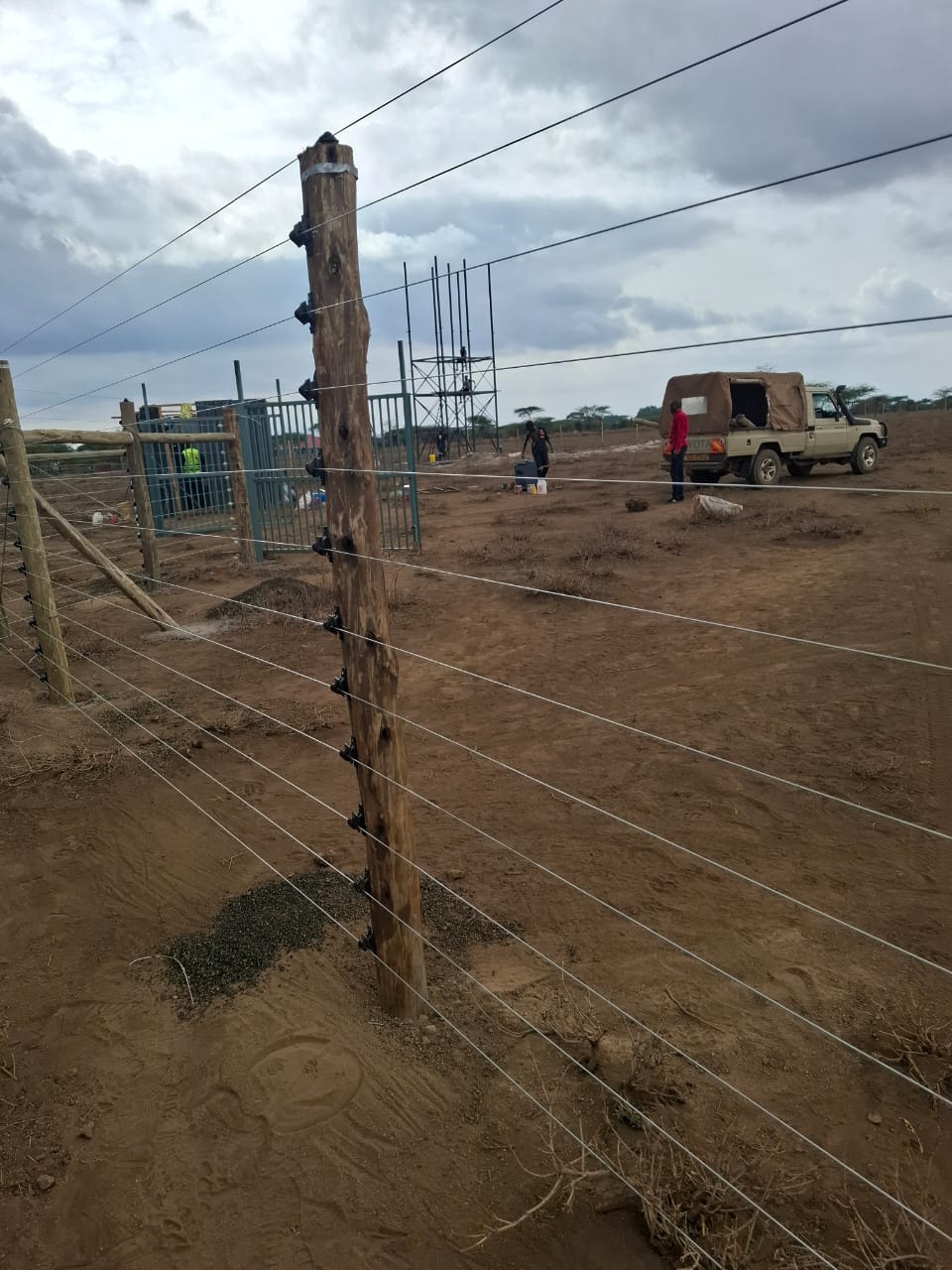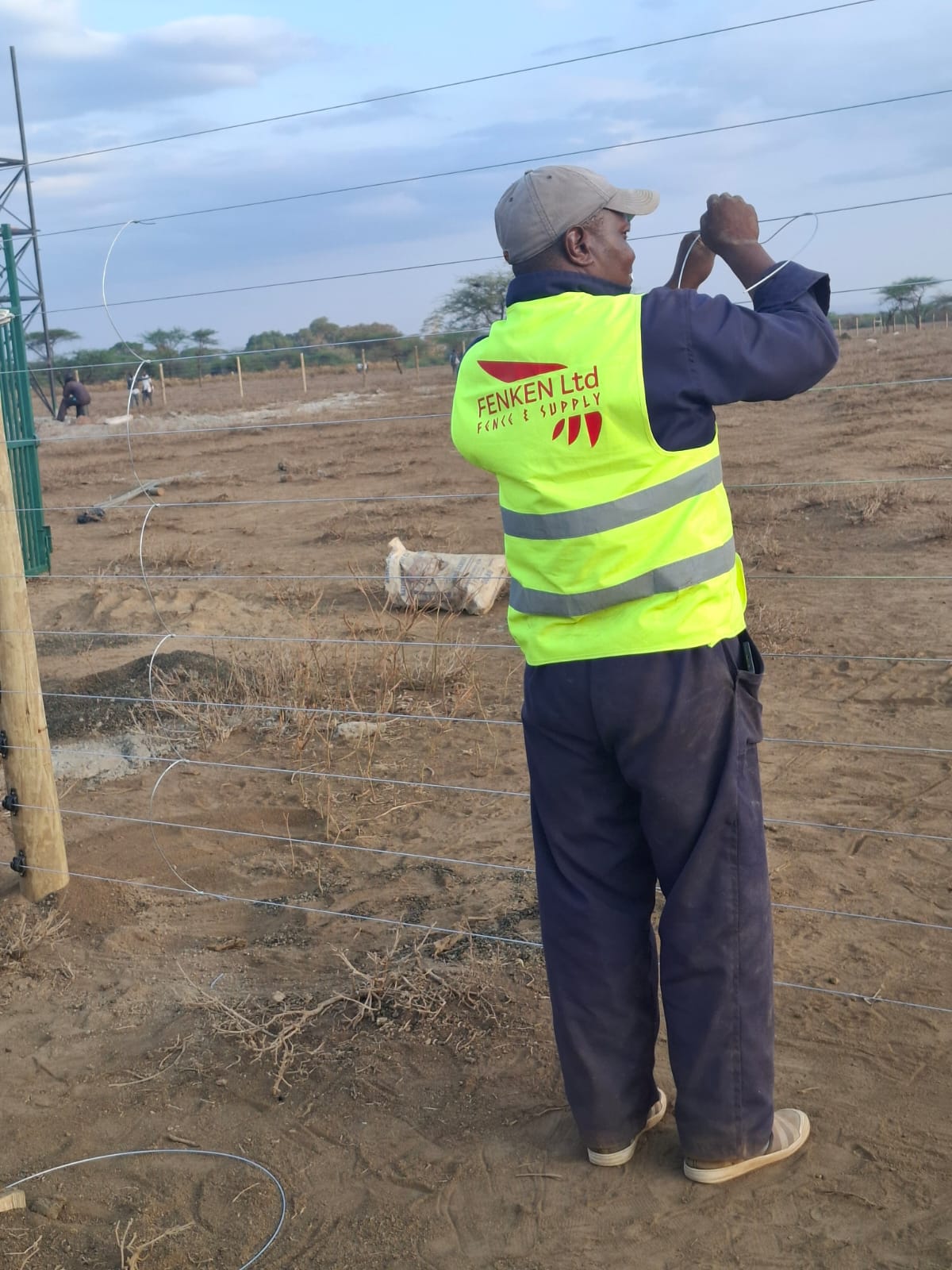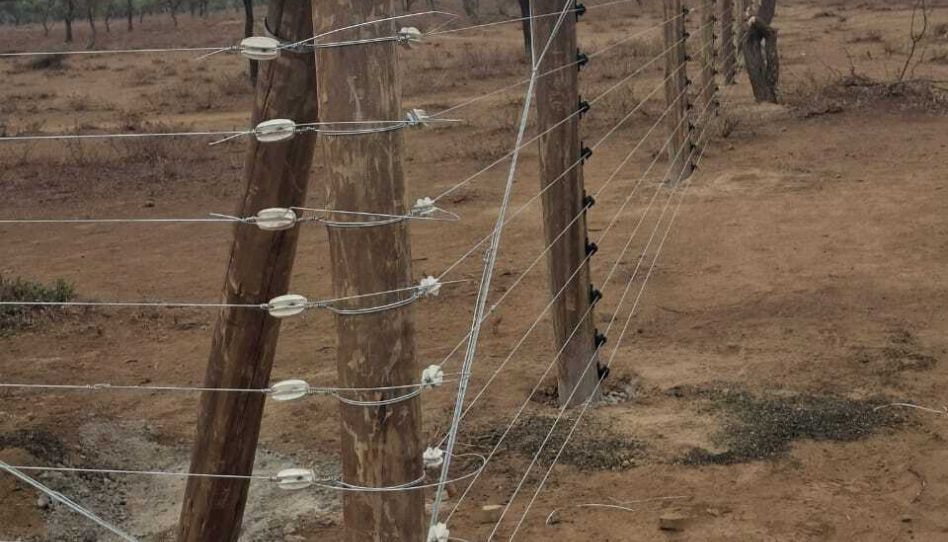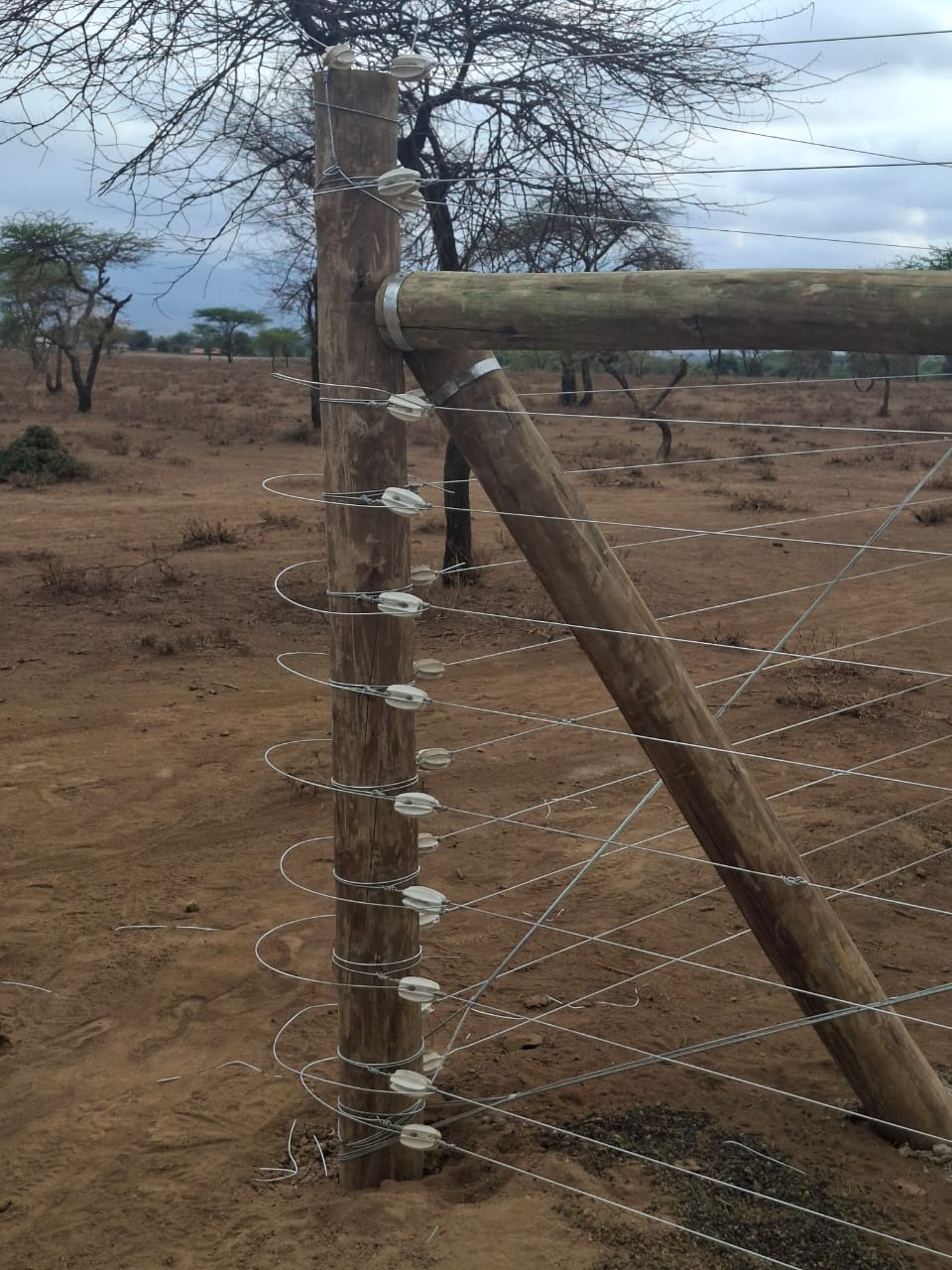
In perimeter security, the challenge is rarely about putting up a fence. The real task is achieving the right balance between security, privacy, durability, cost-effectiveness, and aesthetics.
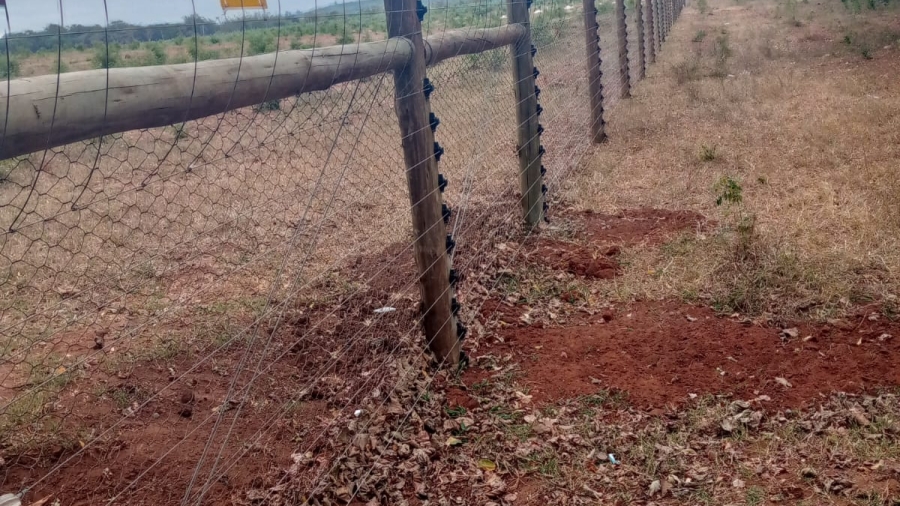
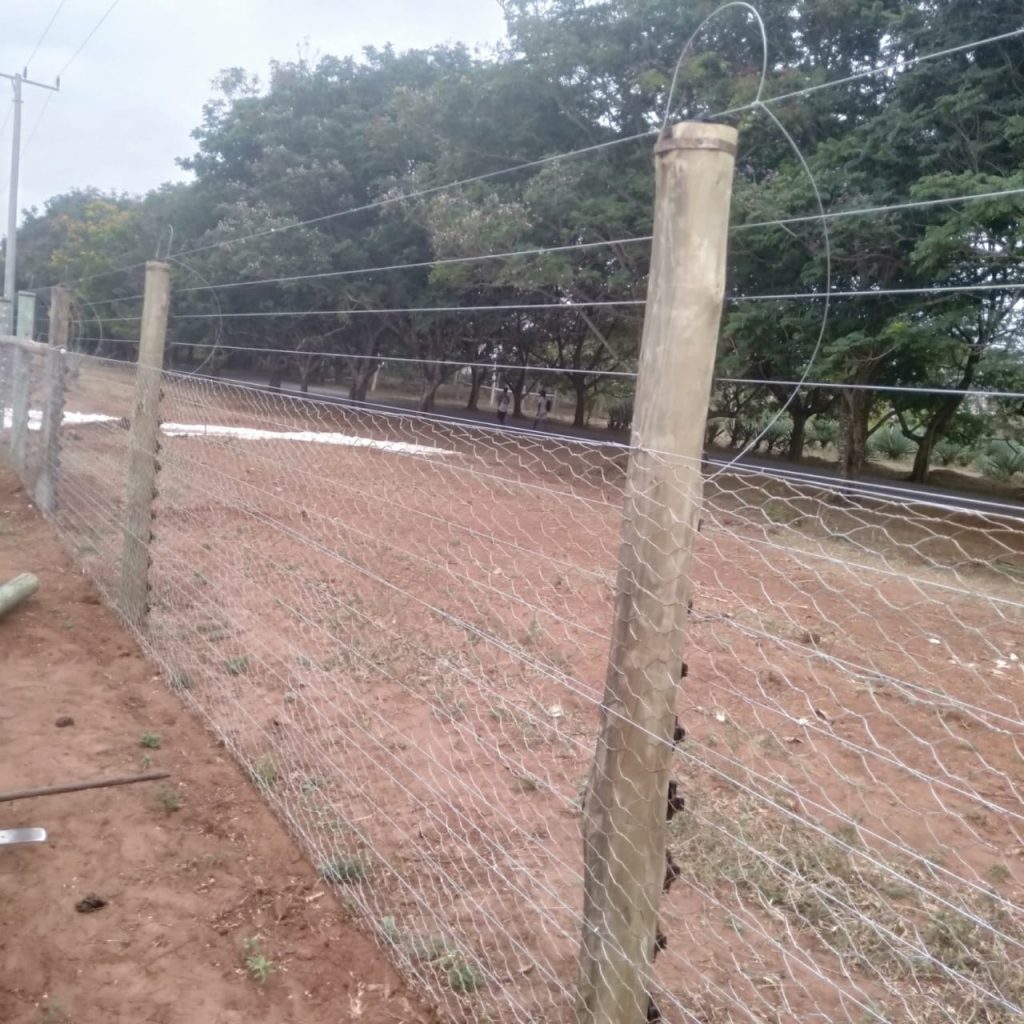
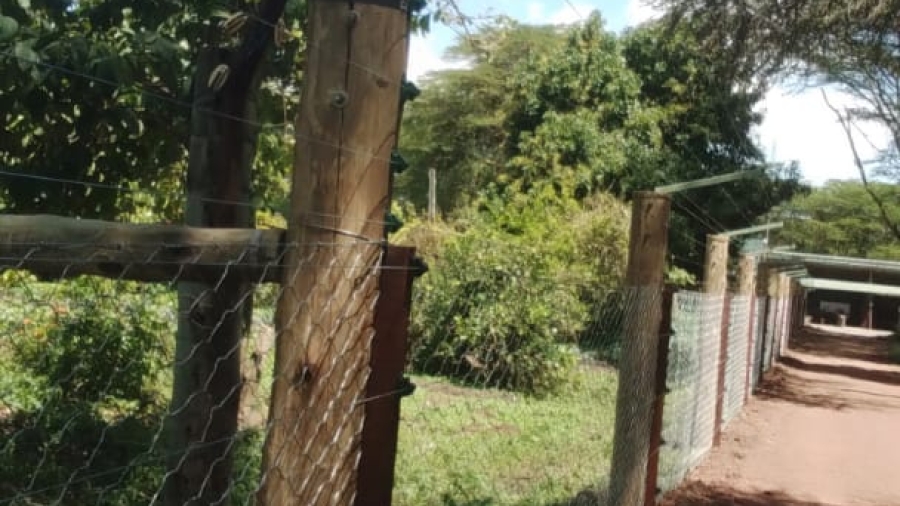
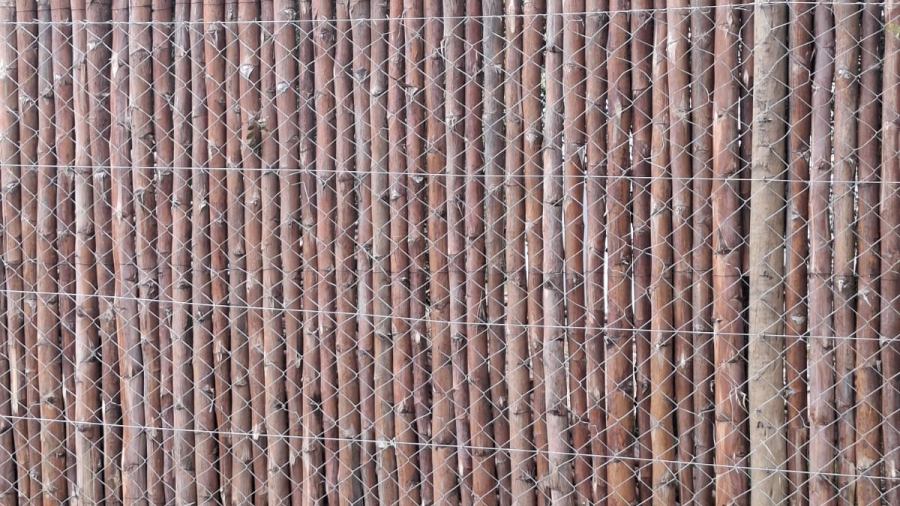
We recently completed a distinctive project: reinforcing a chain link fence using dried sisal posts for a private residence situated along a busy road. The transformation was remarkable. What started as a standard boundary installation became an impenetrable, visually impressive, and highly practical solution tailored to the client’s needs.
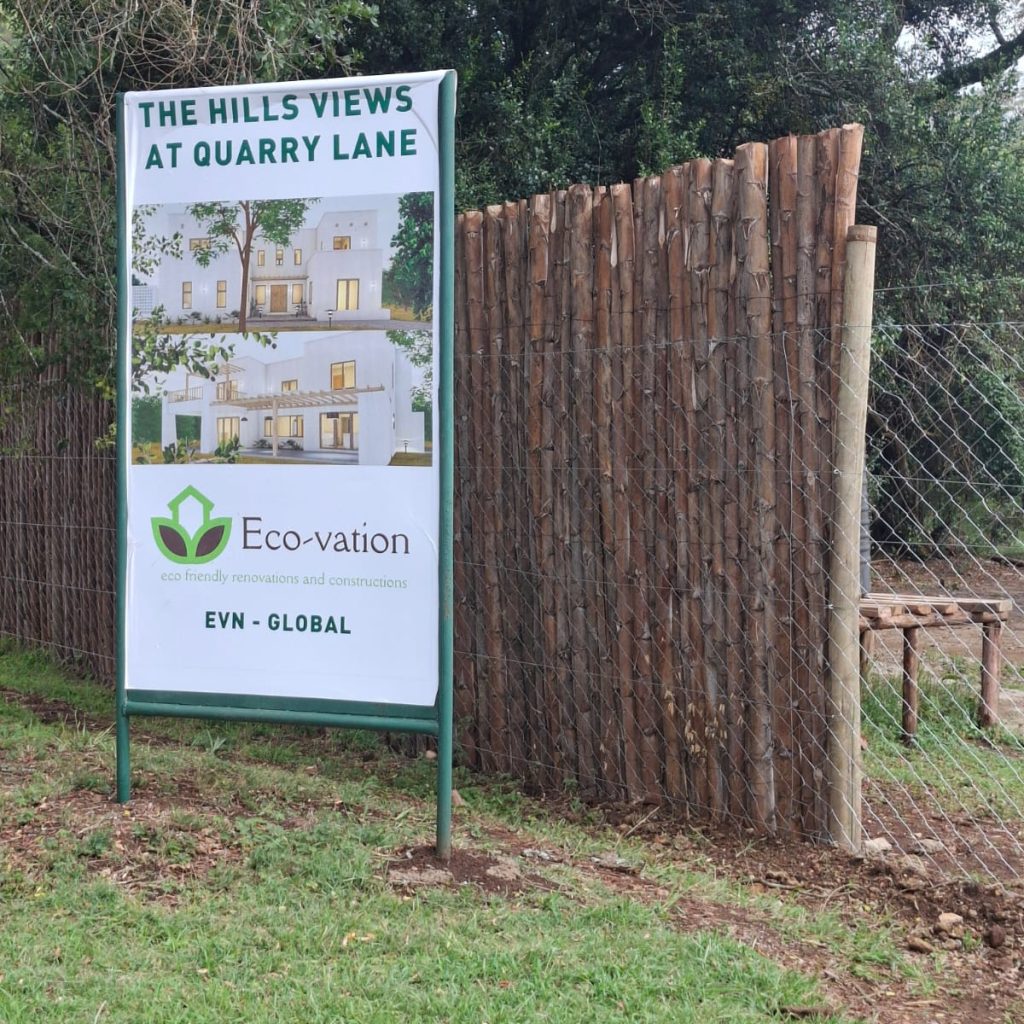
This approach deserves attention.
The Challenge: Visibility Along a Busy Road
Chain link fencing is widely appreciated for its:
- Strength
- Affordability
- Durability
- Low maintenance
However, one limitation is visibility. It allows outsiders to see directly into a property. For a residence facing a busy road, this exposure creates:
- Reduced privacy
- Heightened security concerns
- Unwanted curiosity
- Compromised sense of sanctuary
The client required not just security—but discretion.
The Solution: Dried Sisal Posts as Reinforcement and Privacy Shield
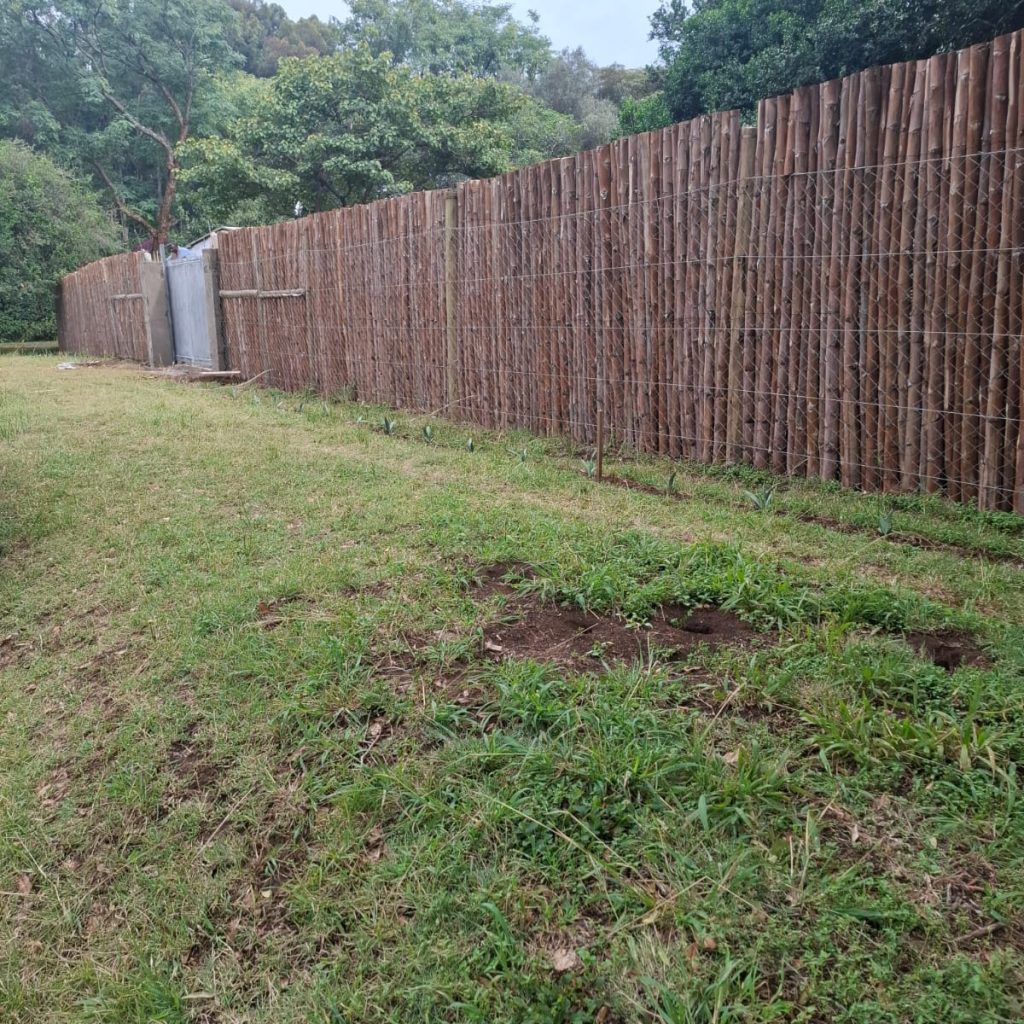
By integrating dried sisal posts vertically along the chain link, we achieved three major outcomes:
- Enhanced Privacy
The density of the sisal posts significantly reduced visibility into the property. Passersby can no longer easily see what lies behind the fence.
Privacy, especially for a roadside residence, is not a luxury—it is a necessity.
- Increased Structural Strength
Sisal posts add rigidity and reinforcement. Beyond privacy, they help stabilize the fence structure, reducing sagging and strengthening the overall perimeter.
- Natural Aesthetic Appeal
Unlike artificial screening materials, dried sisal posts create a warm, natural look. The result is not industrial or harsh; it blends beautifully with residential landscapes.
The finished boundary was both secure and striking.
Why Sisal? The Strategic Advantage
Choosing sisal was not accidental. It was strategic.
✔ Natural and Sustainable
Sisal is an eco-friendly material that complements modern sustainable building practices.
✔ Cost-Effective
Compared to masonry walls or high-end composite privacy panels, sisal reinforcement is significantly more affordable without sacrificing effectiveness.
✔ Practical for Kenyan Climate
Dried sisal posts perform well in local environmental conditions when properly treated and installed.
✔ Breathable Yet Secure
Unlike solid walls, this solution maintains airflow while preserving privacy—a crucial factor for homes in warm climates.
Why Not Just Build a Wall?
This is the question many property owners ask.
While masonry walls offer total blockage, they:
- Cost significantly more
- Require foundation work
- Can appear heavy and imposing
- Restrict airflow
The sisal-enhanced chain link fence provides an intelligent middle ground:
Stronger than standard fencing. More affordable than perimeter walls. More breathable than concrete. More natural in appearance.
That combination makes it a strategic investment.
The Bigger Lesson: Custom Solutions Matter
Every property is different.
A fence is not just a boundary—it is a statement of security, identity, and intention. The wisdom is in choosing the right solution for the location, exposure level, and intended use.
For properties along busy roads, privacy cannot be an afterthought.
Final Thoughts
This project demonstrates how innovation in simple materials can yield extraordinary results. By complementing chain link fencing with dried sisal posts, we created:
- A more secure perimeter
- A highly private frontage
- A natural aesthetic finish
- A cost-effective alternative to walls
It is a powerful reminder that the best solutions are not always the most complicated—they are the most thoughtful.
If you are considering enhancing your property’s boundary for privacy and security, it may be time to rethink what a fence can achieve.
Strong. Private. Intelligent.
That is the future of perimeter protection.